A volcanic bowl with a long story
Kerid is not just scenic. It is a visible chapter in Iceland's restless geological narrative.
Table of Contents
Iceland on the Mid-Atlantic Ridge
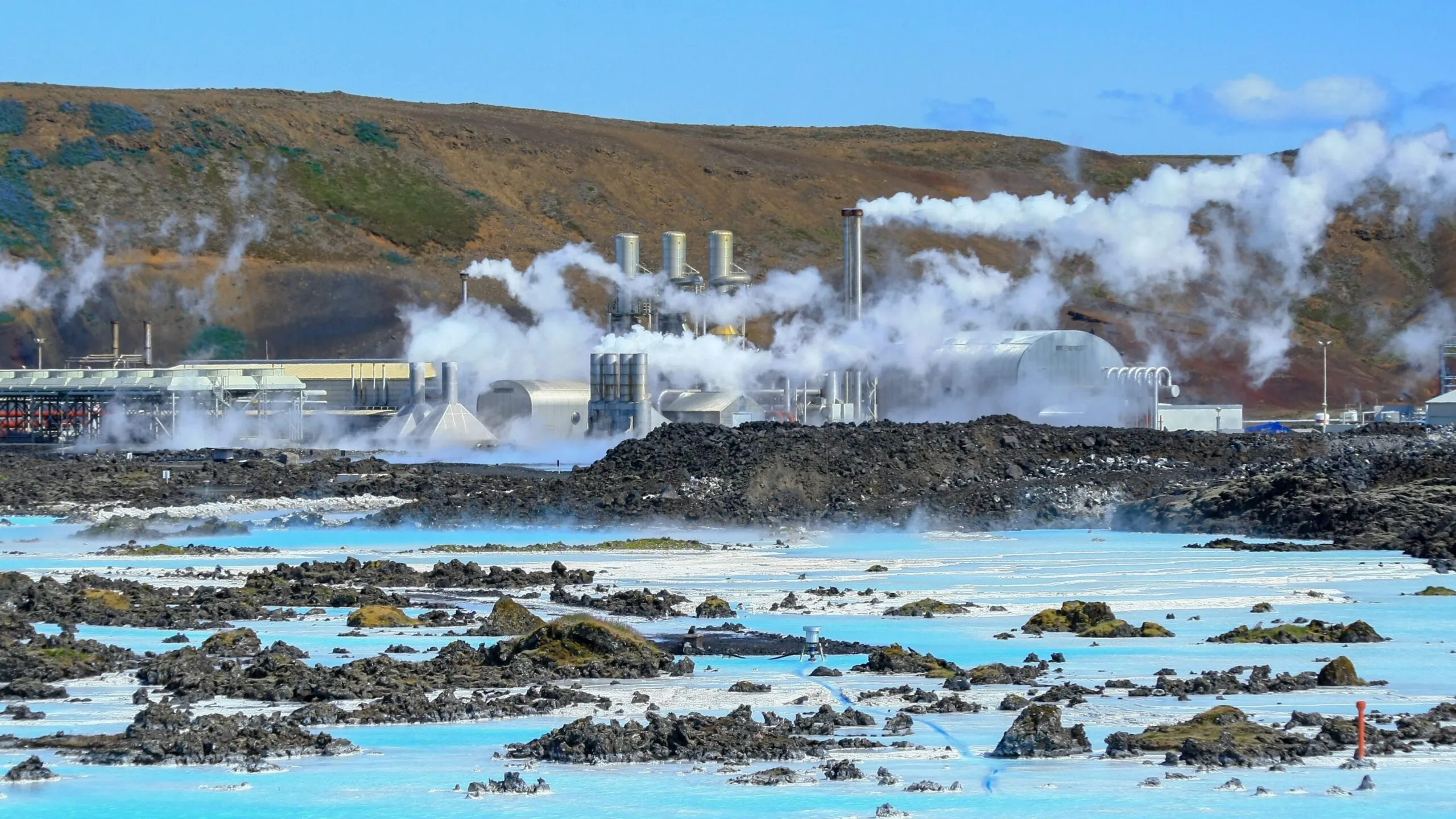
To understand Kerid, it helps to begin far beneath your feet. Iceland sits astride the Mid-Atlantic Ridge, where the North American and Eurasian tectonic plates slowly pull apart. This long, deep fracture in Earth's crust allows magma to rise, creating one of the most geologically active islands on the planet. In practical terms, that means Iceland is not a static landscape. It is a place where ground can crack, lava can flow, and landforms can appear, transform, or erode across timescales that still feel close to human memory.
South Iceland, where Kerid lies, carries this tectonic signature in every direction: lava fields, geothermal vents, volcanic cones, and sediment plains shaped by glaciers and floods. Kerid is part of this wider system, a compact but striking expression of forces that built the island itself. When visitors stand on the rim and look down at the lake, they are not just admiring a pretty crater. They are looking at the visible result of deep planetary motion, atmospheric weathering, and hydrology working together over centuries.
How Kerid likely formed
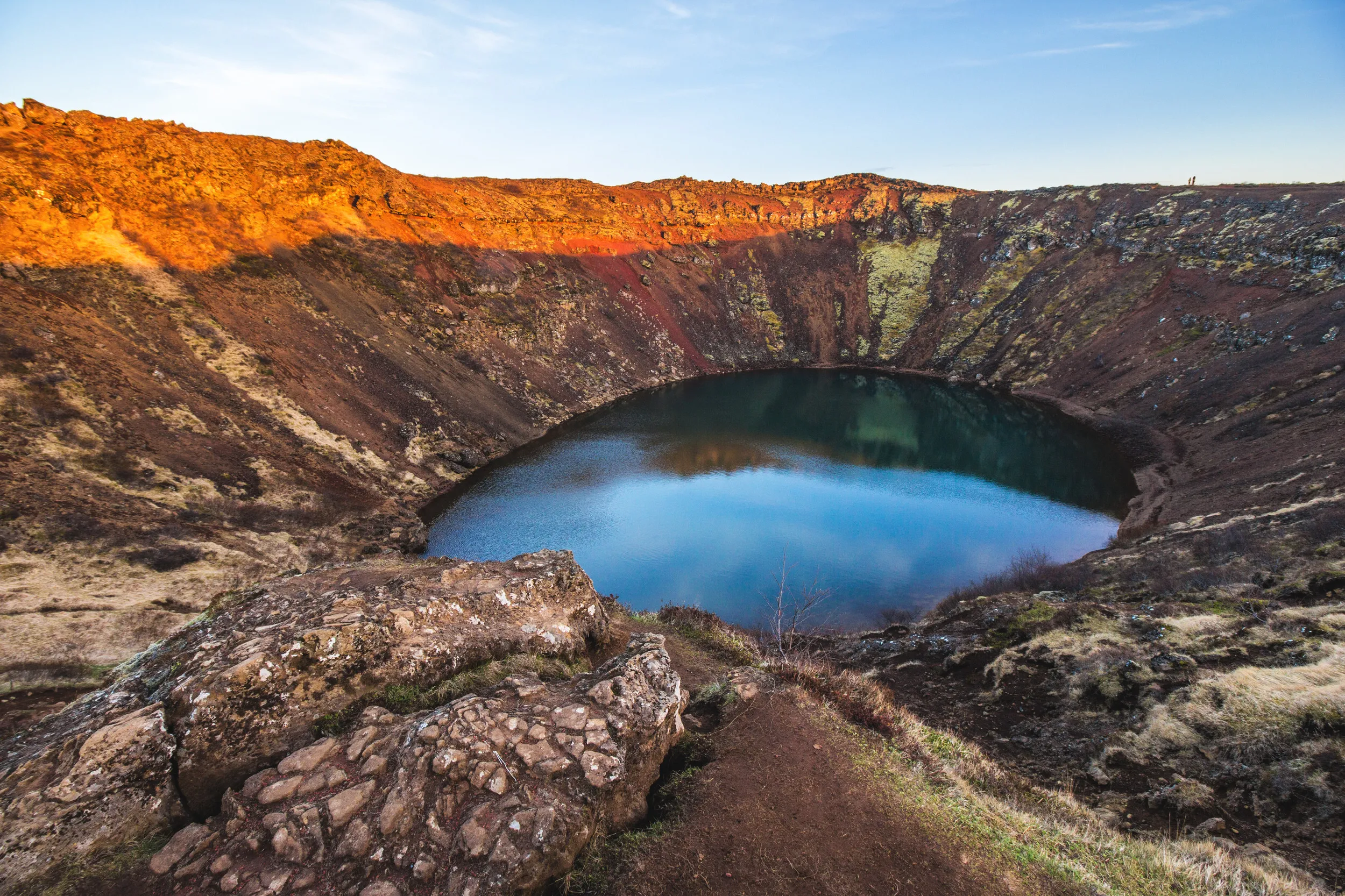
Kerid is often described as a volcanic explosion crater, but many geologists interpret it as a cone crater that later collapsed inward after an eruption event. In this model, volcanic activity built a cone-like structure, and once magma was depleted or pressure changed, part of the formation gave way, creating the bowl shape we see today. The crater's relatively defined oval form and steep inner walls support the idea of structural collapse rather than purely explosive excavation.
Its age is generally estimated to be a few thousand years, making Kerid comparatively young in geological terms. That youth helps explain the clarity of its shape and the strong color contrast still visible on its slopes. Over time, rain, frost, wind, and seasonal thaw continue to reshape the surface grain by grain. So while Kerid may look timeless in photographs, the crater is still evolving. Every winter freeze and spring thaw subtly edits the textures, edges, and drainage patterns visitors experience today.
Why the colors are so vivid
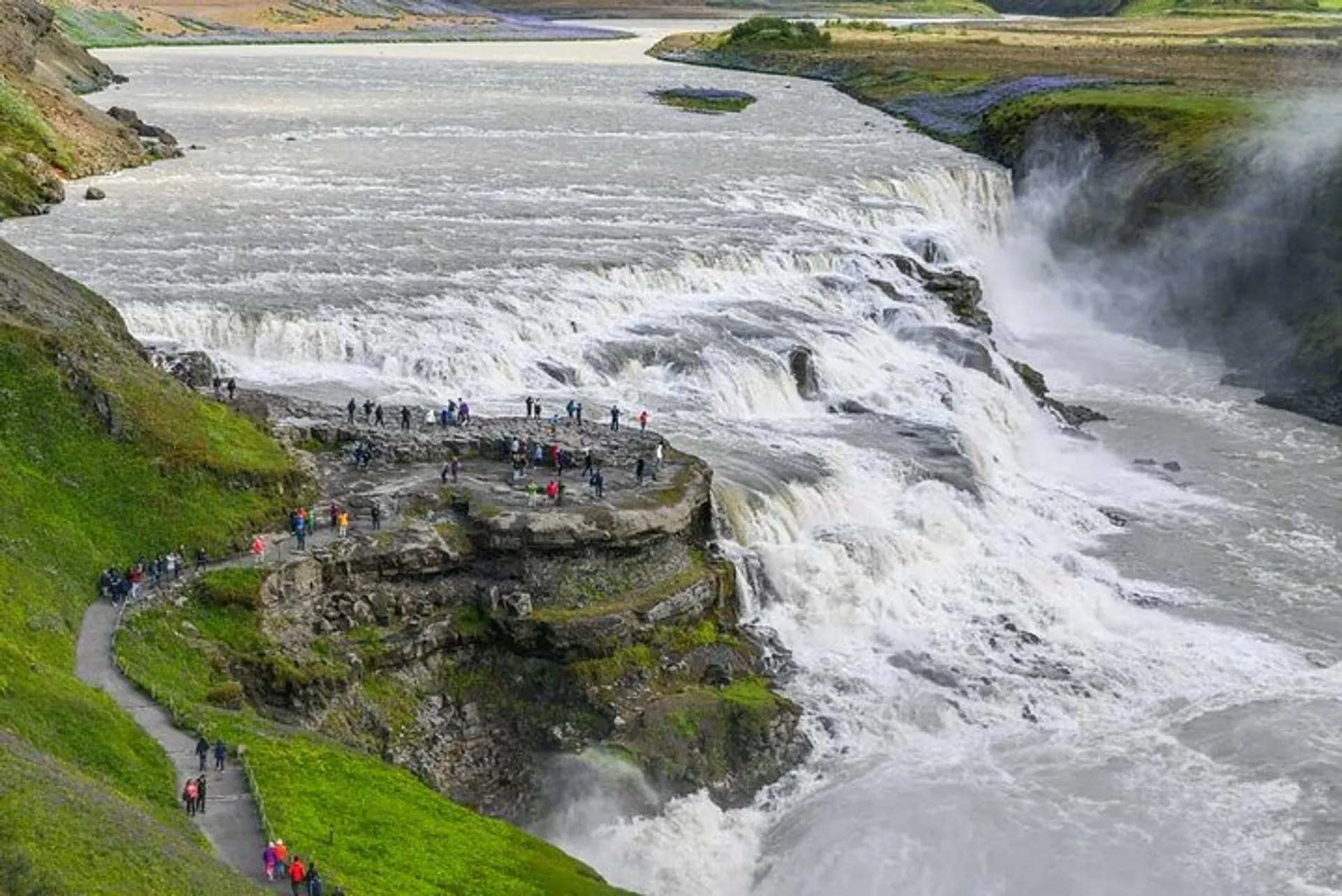
One of Kerid's most memorable features is color. The reddish slopes come from iron-rich volcanic rock and tephra that oxidize over time, producing warm rust and ochre tones. In contrast, patches of moss and low vegetation add green texture, particularly in wetter and warmer periods. The lake itself shifts from deep cobalt to lighter blue-green depending on light angle, cloud cover, and suspended particles in the water.
This unusual combination makes Kerid visually distinct from darker basalt-heavy sites elsewhere in Iceland. It is also why photographers revisit at different times of year: spring freshness, summer saturation, autumn mood, and winter starkness all reveal different palettes. In person, the effect is less like a single postcard view and more like a sequence of changing scenes as weather moves overhead. Even during a short visit, many people notice that Kerid seems to repaint itself from minute to minute.
Water, climate, and seasonal change
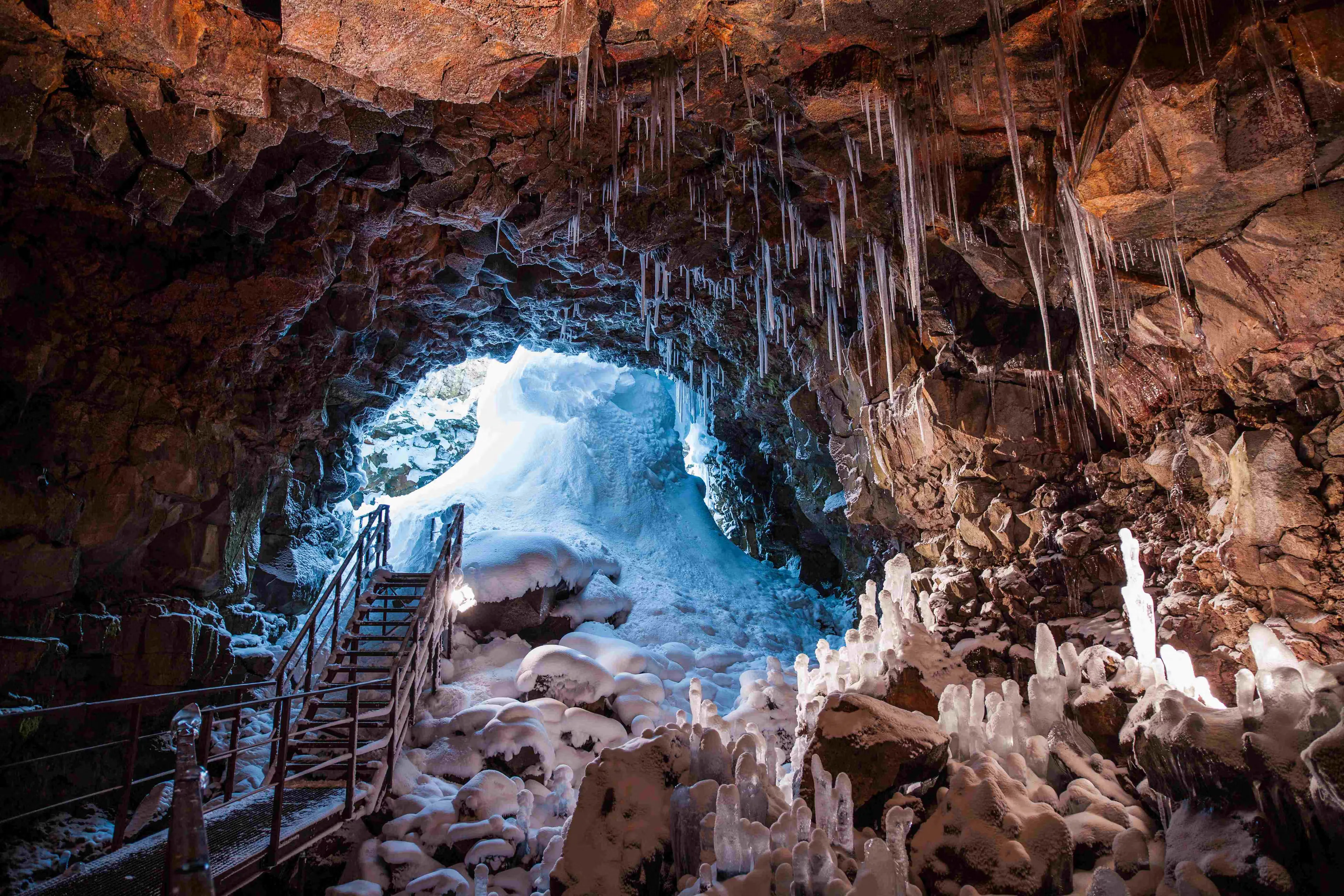
The water at the bottom of Kerid is fed largely by groundwater rather than a visible stream entering from one point. As a result, lake level can vary with broader hydrological conditions and season. In wetter periods it may appear fuller; in drier intervals, the shoreline can retreat and expose additional sediment textures near the edge. Ice and snow in winter can temporarily alter both appearance and access.
Climate plays an immediate role in the visitor experience. Wind can intensify quickly, rain can sweep in without much warning, and light changes are often dramatic, especially near sunrise and sunset. These same conditions that challenge planning are also what give Kerid much of its character. A calm, mirror-like lake one hour may become rippled steel-blue in the next, with cloud shadows racing over the crater walls and revealing subtle contour lines you might otherwise miss.
Human routes through South Iceland
Long before modern tourism routes were formalized, South Iceland's inhabited areas were connected by practical travel lines shaped by farms, river crossings, and seasonal movement. The region around Kerid was part of a wider rural network where weather, terrain, and daylight dictated pace. Travel was rarely about scenic detours alone; it was about survival, exchange, and adaptation in a landscape that could be generous one week and severe the next.
As roads improved and Iceland developed stronger transport infrastructure, places like Kerid became easier to access for both locals and international visitors. What once required more demanding navigation now fits into day itineraries from Reykjavik. Yet the old logic still applies: conditions matter, preparation matters, and respect for terrain matters. Kerid's modern accessibility is a gift, but it sits within a landscape where nature still sets the final terms.
Kerid in the Golden Circle era
In recent decades, Kerid became a recognized stop within broader Golden Circle-style travel patterns. While not every itinerary includes it, many travelers appreciate how well it complements larger landmarks. After major waterfalls, geysers, or historic valleys, Kerid offers something different: a compact geological site where color, form, and scale are immediately legible without long walking distances.
This shift brought both benefits and responsibilities. Increased visitation supports local services and expands awareness of Icelandic geology, but it also requires careful site management to protect paths and fragile surfaces from erosion. Kerid's role in modern tourism is therefore twofold: it is both a destination and a teaching place, reminding people that highly photogenic landscapes still need practical stewardship if they are to remain safe and beautiful for future visitors.
Folklore, mood, and place memory
Icelandic landscapes often carry more than scientific meaning. They also gather mood, story, and local memory. While Kerid is primarily presented as a geological landmark, many visitors describe an immediate emotional response to standing above the crater: a mix of calm, scale-awareness, and a slight sense of theatrical drama created by the bowl shape and resonant wind. The place feels naturally staged, almost as if designed for reflection.
Across Iceland, volcanic formations have long inspired stories about hidden forces, spirits, and the personality of land itself. Whether you approach that tradition literally or metaphorically, Kerid fits the pattern: it encourages people to project meaning onto form. Some see resilience, some see fragility, others simply see beauty. This range of response is part of why Kerid remains memorable. It is geologically specific, yet emotionally open to interpretation.
Safety and responsible access
Kerid is often described as an easy stop, and for many people it is. But easy does not mean risk-free. Rim paths can be windy, and edges require awareness, especially when taking photos. In wet or icy conditions, surfaces may become slick even where the slope looks gentle. Sensible footwear, attentive movement, and respect for barriers make a major difference.
Responsible access also means staying on marked paths and avoiding shortcuts down delicate or unstable sections. Volcanic soils and moss communities can be slow to recover once damaged. By following site guidance, visitors help preserve the crater's structure and visual quality while reducing erosion pressure. In that sense, every careful step contributes to conservation, not just personal safety.
Photography and changing light
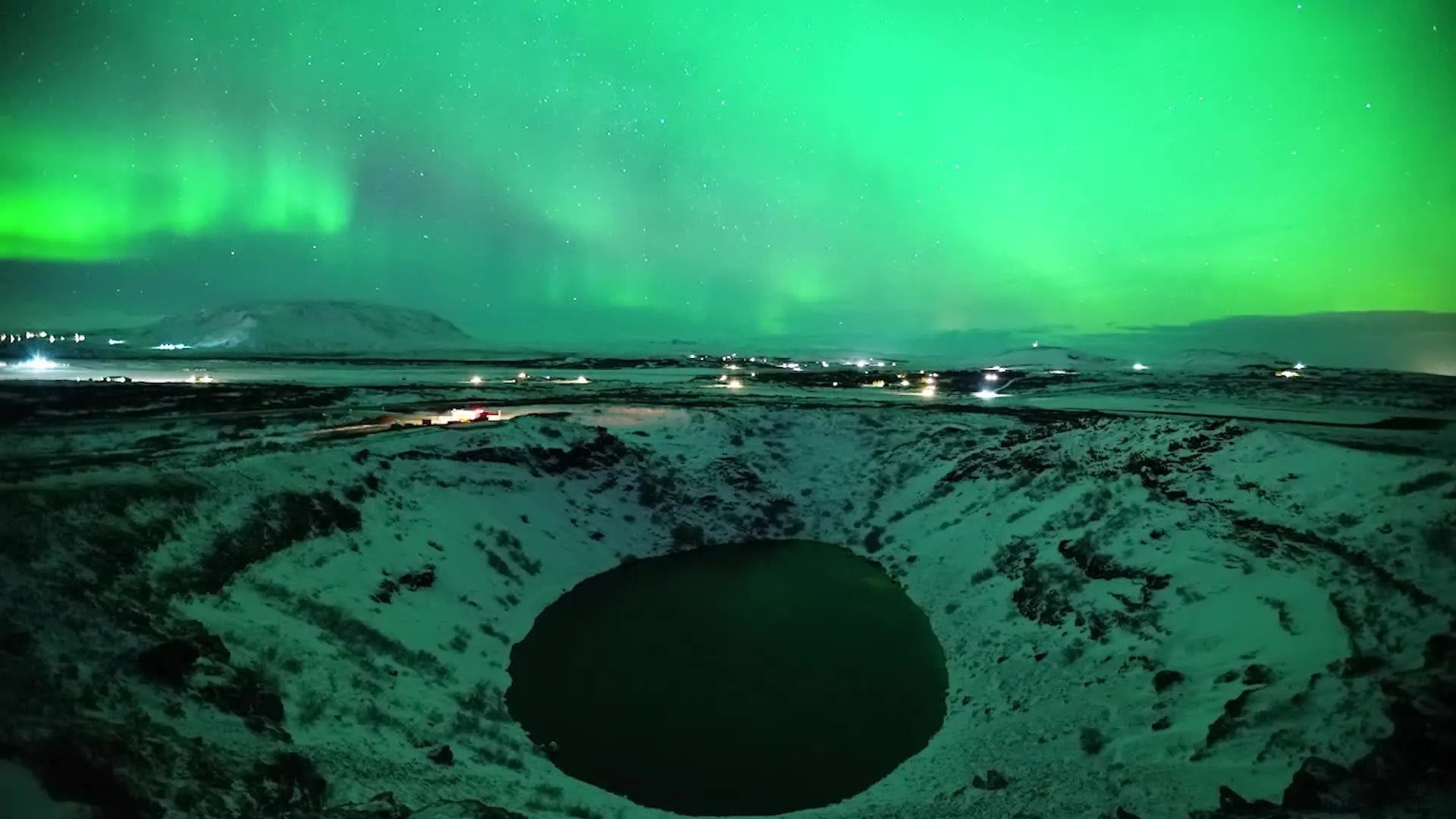
Kerid rewards patient observation more than rushed snapshots. Because the crater is compact, you can test multiple compositions quickly: wide rim panoramas, diagonal slope patterns, reflective lake surfaces, and close textures of volcanic rock. The strongest images often come when weather is not perfectly clear, since passing clouds add depth and contrast to the scene.
Timing matters. Early and late light emphasizes crater contours and enriches red and green tones, while midday can flatten shadows but brighten water color. In winter, low sun can create long, sculptural shading for much of the day. A useful approach is to walk the rim first without shooting heavily, note where light falls best, then return for deliberate frames. Kerid is small enough for that strategy, and the results are usually worth it.
Practical planning through the seasons
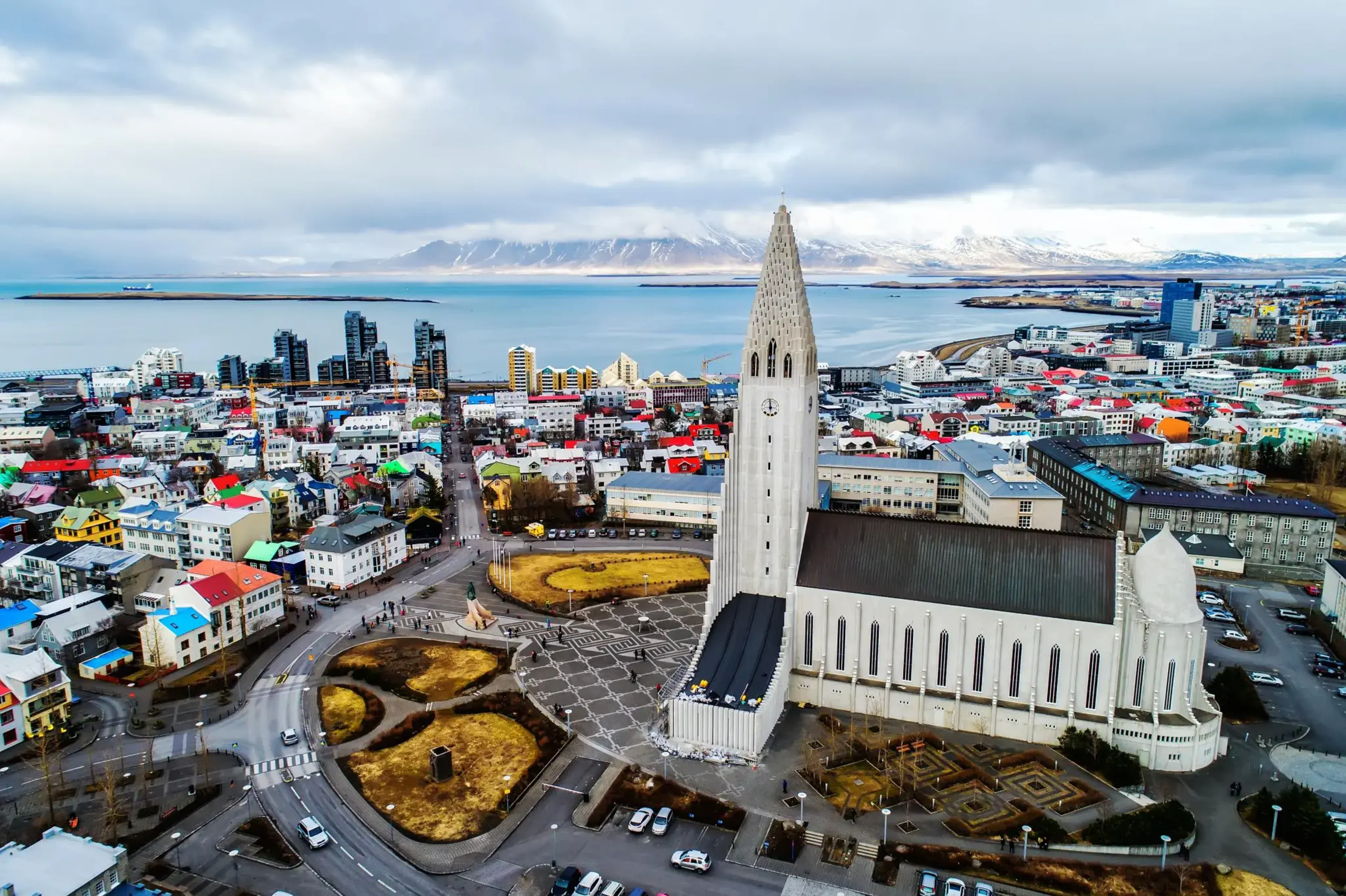
Summer offers long daylight and relatively straightforward logistics, which is ideal for first-time Iceland visitors building a full-day route. The trade-off is higher visitor volume, especially midday. Shoulder seasons can provide a quieter atmosphere and dramatic weather variation, though planning should account for possible rain, wind, and cooler temperatures.
Winter visits can be magical, with snow contrast and moody skies, but they demand more caution and flexibility. Road conditions may change quickly, and daylight windows are short. If Kerid is one stop among many, build extra buffer time so you are not rushed. In all seasons, checking weather and road updates on the day of travel is one of the most practical habits you can adopt in Iceland.
Conservation and site care
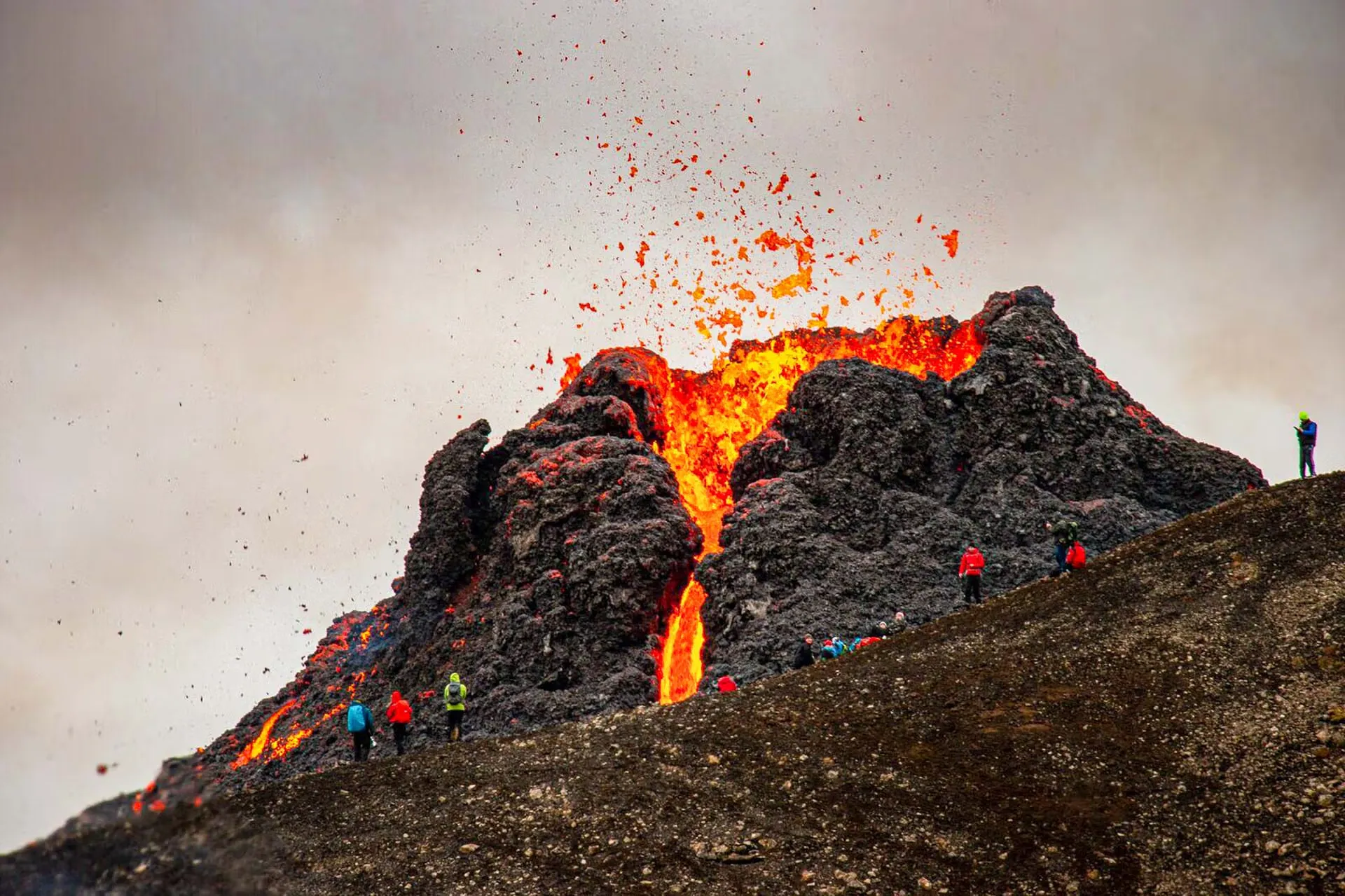
Kerid's popularity depends on a balance: allowing people to experience the crater closely while preventing cumulative damage from thousands of annual footsteps. Managed paths, signage, and designated access points are practical tools to keep this balance stable. Without them, erosion would accelerate and both safety and visual quality would suffer.
Visitors play an active role in this conservation model. Respecting barriers, avoiding litter, and minimizing off-path movement are small decisions that scale into meaningful long-term protection. When people treat Kerid as a shared natural asset rather than a disposable backdrop, the site remains healthier, and future travelers can experience the same sense of wonder that draws people here today.
Nearby sites and connected journeys
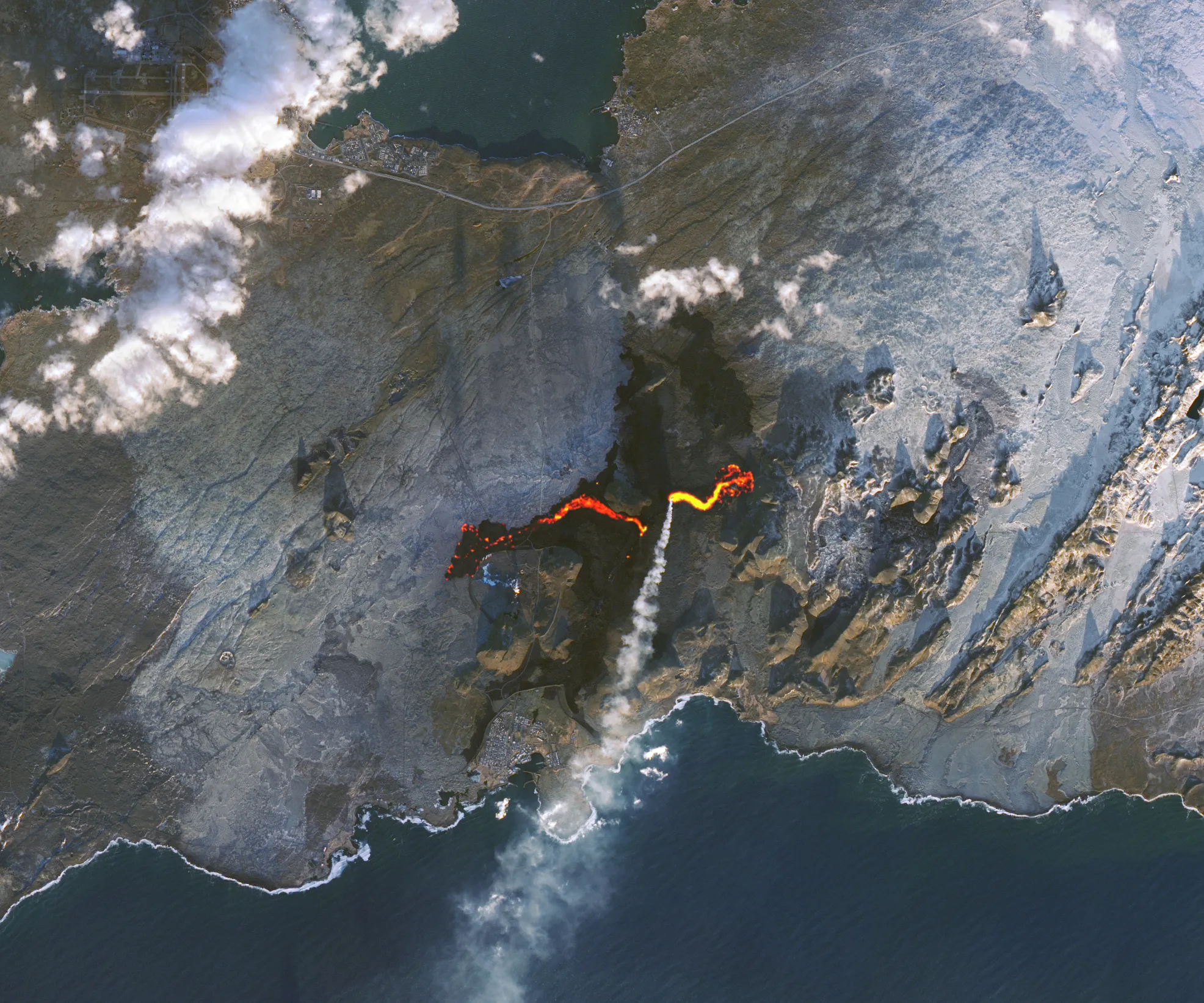
Kerid works especially well as part of a connected South Iceland day. Depending on your route, you can pair it with geothermal areas, waterfalls, cultural stops, farm-based cafes, or town visits in the Selfoss region. Because Kerid does not require a long hike, it often serves as a flexible anchor between larger activities.
Some travelers use Kerid as a morning opener, when light is soft and energy is high. Others save it for late afternoon, when crater colors can deepen under angled sun. There is no single correct sequence. The best approach is to map your route around weather patterns and your own travel rhythm, then let Kerid provide a compact but memorable geological highlight within a broader Iceland story.
Why Kerid stays with visitors
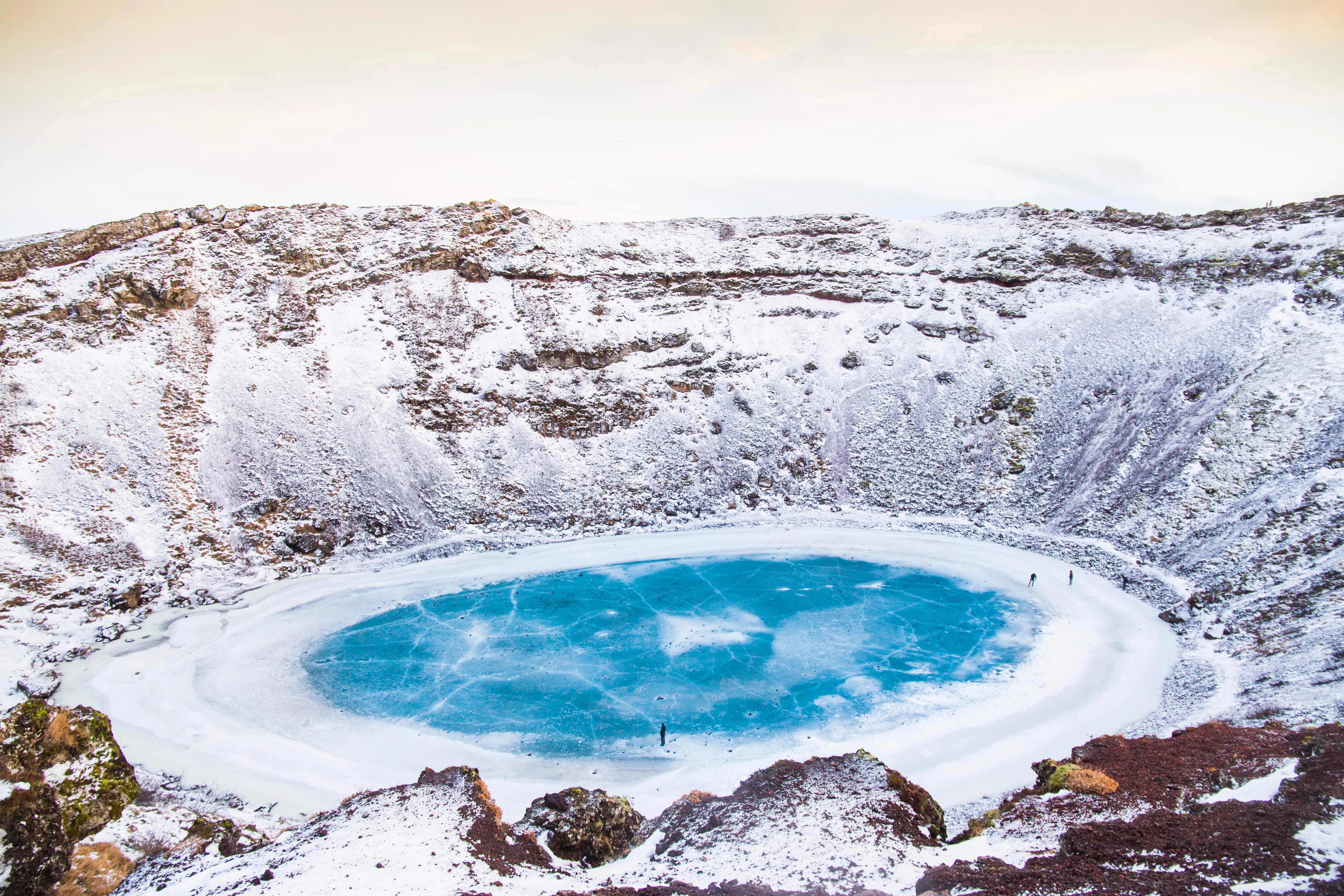
On paper, Kerid can look like a short stop with a straightforward walk. In practice, many people remember it long after larger attractions blur together. Part of that comes from clarity: the crater's shape is immediately legible, its colors are vivid, and the contrast between rim and lake creates a strong spatial experience in very little time.
But memory is not only visual. Kerid also leaves an impression through atmosphere: wind over the rim, the quiet echo inside the bowl, the feeling of standing in a place shaped by deep forces yet accessible in an ordinary afternoon. That combination of simplicity and depth is rare. It is why a small crater in South Iceland often becomes one of the most talked-about moments in a much longer journey.
Table of Contents
Iceland on the Mid-Atlantic Ridge
To understand Kerid, it helps to begin far beneath your feet. Iceland sits astride the Mid-Atlantic Ridge, where the North American and Eurasian tectonic plates slowly pull apart. This long, deep fracture in Earth's crust allows magma to rise, creating one of the most geologically active islands on the planet. In practical terms, that means Iceland is not a static landscape. It is a place where ground can crack, lava can flow, and landforms can appear, transform, or erode across timescales that still feel close to human memory.
South Iceland, where Kerid lies, carries this tectonic signature in every direction: lava fields, geothermal vents, volcanic cones, and sediment plains shaped by glaciers and floods. Kerid is part of this wider system, a compact but striking expression of forces that built the island itself. When visitors stand on the rim and look down at the lake, they are not just admiring a pretty crater. They are looking at the visible result of deep planetary motion, atmospheric weathering, and hydrology working together over centuries.
How Kerid likely formed
Kerid is often described as a volcanic explosion crater, but many geologists interpret it as a cone crater that later collapsed inward after an eruption event. In this model, volcanic activity built a cone-like structure, and once magma was depleted or pressure changed, part of the formation gave way, creating the bowl shape we see today. The crater's relatively defined oval form and steep inner walls support the idea of structural collapse rather than purely explosive excavation.
Its age is generally estimated to be a few thousand years, making Kerid comparatively young in geological terms. That youth helps explain the clarity of its shape and the strong color contrast still visible on its slopes. Over time, rain, frost, wind, and seasonal thaw continue to reshape the surface grain by grain. So while Kerid may look timeless in photographs, the crater is still evolving. Every winter freeze and spring thaw subtly edits the textures, edges, and drainage patterns visitors experience today.
Why the colors are so vivid
One of Kerid's most memorable features is color. The reddish slopes come from iron-rich volcanic rock and tephra that oxidize over time, producing warm rust and ochre tones. In contrast, patches of moss and low vegetation add green texture, particularly in wetter and warmer periods. The lake itself shifts from deep cobalt to lighter blue-green depending on light angle, cloud cover, and suspended particles in the water.
This unusual combination makes Kerid visually distinct from darker basalt-heavy sites elsewhere in Iceland. It is also why photographers revisit at different times of year: spring freshness, summer saturation, autumn mood, and winter starkness all reveal different palettes. In person, the effect is less like a single postcard view and more like a sequence of changing scenes as weather moves overhead. Even during a short visit, many people notice that Kerid seems to repaint itself from minute to minute.
Water, climate, and seasonal change
The water at the bottom of Kerid is fed largely by groundwater rather than a visible stream entering from one point. As a result, lake level can vary with broader hydrological conditions and season. In wetter periods it may appear fuller; in drier intervals, the shoreline can retreat and expose additional sediment textures near the edge. Ice and snow in winter can temporarily alter both appearance and access.
Climate plays an immediate role in the visitor experience. Wind can intensify quickly, rain can sweep in without much warning, and light changes are often dramatic, especially near sunrise and sunset. These same conditions that challenge planning are also what give Kerid much of its character. A calm, mirror-like lake one hour may become rippled steel-blue in the next, with cloud shadows racing over the crater walls and revealing subtle contour lines you might otherwise miss.
Human routes through South Iceland
Long before modern tourism routes were formalized, South Iceland's inhabited areas were connected by practical travel lines shaped by farms, river crossings, and seasonal movement. The region around Kerid was part of a wider rural network where weather, terrain, and daylight dictated pace. Travel was rarely about scenic detours alone; it was about survival, exchange, and adaptation in a landscape that could be generous one week and severe the next.
As roads improved and Iceland developed stronger transport infrastructure, places like Kerid became easier to access for both locals and international visitors. What once required more demanding navigation now fits into day itineraries from Reykjavik. Yet the old logic still applies: conditions matter, preparation matters, and respect for terrain matters. Kerid's modern accessibility is a gift, but it sits within a landscape where nature still sets the final terms.
Kerid in the Golden Circle era
In recent decades, Kerid became a recognized stop within broader Golden Circle-style travel patterns. While not every itinerary includes it, many travelers appreciate how well it complements larger landmarks. After major waterfalls, geysers, or historic valleys, Kerid offers something different: a compact geological site where color, form, and scale are immediately legible without long walking distances.
This shift brought both benefits and responsibilities. Increased visitation supports local services and expands awareness of Icelandic geology, but it also requires careful site management to protect paths and fragile surfaces from erosion. Kerid's role in modern tourism is therefore twofold: it is both a destination and a teaching place, reminding people that highly photogenic landscapes still need practical stewardship if they are to remain safe and beautiful for future visitors.
Folklore, mood, and place memory
Icelandic landscapes often carry more than scientific meaning. They also gather mood, story, and local memory. While Kerid is primarily presented as a geological landmark, many visitors describe an immediate emotional response to standing above the crater: a mix of calm, scale-awareness, and a slight sense of theatrical drama created by the bowl shape and resonant wind. The place feels naturally staged, almost as if designed for reflection.
Across Iceland, volcanic formations have long inspired stories about hidden forces, spirits, and the personality of land itself. Whether you approach that tradition literally or metaphorically, Kerid fits the pattern: it encourages people to project meaning onto form. Some see resilience, some see fragility, others simply see beauty. This range of response is part of why Kerid remains memorable. It is geologically specific, yet emotionally open to interpretation.
Safety and responsible access
Kerid is often described as an easy stop, and for many people it is. But easy does not mean risk-free. Rim paths can be windy, and edges require awareness, especially when taking photos. In wet or icy conditions, surfaces may become slick even where the slope looks gentle. Sensible footwear, attentive movement, and respect for barriers make a major difference.
Responsible access also means staying on marked paths and avoiding shortcuts down delicate or unstable sections. Volcanic soils and moss communities can be slow to recover once damaged. By following site guidance, visitors help preserve the crater's structure and visual quality while reducing erosion pressure. In that sense, every careful step contributes to conservation, not just personal safety.
Photography and changing light
Kerid rewards patient observation more than rushed snapshots. Because the crater is compact, you can test multiple compositions quickly: wide rim panoramas, diagonal slope patterns, reflective lake surfaces, and close textures of volcanic rock. The strongest images often come when weather is not perfectly clear, since passing clouds add depth and contrast to the scene.
Timing matters. Early and late light emphasizes crater contours and enriches red and green tones, while midday can flatten shadows but brighten water color. In winter, low sun can create long, sculptural shading for much of the day. A useful approach is to walk the rim first without shooting heavily, note where light falls best, then return for deliberate frames. Kerid is small enough for that strategy, and the results are usually worth it.
Practical planning through the seasons
Summer offers long daylight and relatively straightforward logistics, which is ideal for first-time Iceland visitors building a full-day route. The trade-off is higher visitor volume, especially midday. Shoulder seasons can provide a quieter atmosphere and dramatic weather variation, though planning should account for possible rain, wind, and cooler temperatures.
Winter visits can be magical, with snow contrast and moody skies, but they demand more caution and flexibility. Road conditions may change quickly, and daylight windows are short. If Kerid is one stop among many, build extra buffer time so you are not rushed. In all seasons, checking weather and road updates on the day of travel is one of the most practical habits you can adopt in Iceland.
Conservation and site care
Kerid's popularity depends on a balance: allowing people to experience the crater closely while preventing cumulative damage from thousands of annual footsteps. Managed paths, signage, and designated access points are practical tools to keep this balance stable. Without them, erosion would accelerate and both safety and visual quality would suffer.
Visitors play an active role in this conservation model. Respecting barriers, avoiding litter, and minimizing off-path movement are small decisions that scale into meaningful long-term protection. When people treat Kerid as a shared natural asset rather than a disposable backdrop, the site remains healthier, and future travelers can experience the same sense of wonder that draws people here today.
Nearby sites and connected journeys
Kerid works especially well as part of a connected South Iceland day. Depending on your route, you can pair it with geothermal areas, waterfalls, cultural stops, farm-based cafes, or town visits in the Selfoss region. Because Kerid does not require a long hike, it often serves as a flexible anchor between larger activities.
Some travelers use Kerid as a morning opener, when light is soft and energy is high. Others save it for late afternoon, when crater colors can deepen under angled sun. There is no single correct sequence. The best approach is to map your route around weather patterns and your own travel rhythm, then let Kerid provide a compact but memorable geological highlight within a broader Iceland story.
Why Kerid stays with visitors
On paper, Kerid can look like a short stop with a straightforward walk. In practice, many people remember it long after larger attractions blur together. Part of that comes from clarity: the crater's shape is immediately legible, its colors are vivid, and the contrast between rim and lake creates a strong spatial experience in very little time.
But memory is not only visual. Kerid also leaves an impression through atmosphere: wind over the rim, the quiet echo inside the bowl, the feeling of standing in a place shaped by deep forces yet accessible in an ordinary afternoon. That combination of simplicity and depth is rare. It is why a small crater in South Iceland often becomes one of the most talked-about moments in a much longer journey.